2026 Best Garden Hose Valve Which One Should You Buy?
Choosing a Garden Hose Valve is not about buying the cheapest metal fitting. It is about controlling pressure, preventing leaks, and surviving repeated outdoor use.
The U.S. Environmental Protection Agency reports that household leaks can waste nearly 10,000 gallons of water annually. WaterSense also notes that the average family could waste about 180 gallons weekly through leaks. These figures make a small valve worth closer attention. A dripping connection may look harmless beside a flower bed, yet it can quietly damage threads, soften soil, and raise water bills.
Kris Polly, chief executive officer of the Irrigation Association, often emphasizes practical water management: “Efficient irrigation begins with applying only what plants need.” That principle fits this purchase. Look for a solid body, a reliable shutoff, corrosion resistance, and a comfortable grip. A vacuum-breaker feature can also matter where local plumbing requirements call for backflow protection.
This guide compares the 2026 options.
Some valves advertise “heavy duty” without explaining their seal material or pressure rating. That is a warning sign. I would not trust a polished product page alone. Check independent testing, warranty terms, connector compatibility, and user reports showing winter storage or daily use. Brass can feel reassuring, but it is not automatically better in every garden. Plastic can perform well, although brittle designs may fail under sunlight or freezing temperatures. The best choice depends on your hose, water pressure, climate, and tolerance for maintenance.
Garden Hose Valves: Purpose, Types, and Basic Operating Principles
2026 Best Garden Hose Valve: Which One Should You Buy?
Garden hose valves control water flow between the supply line and hose. They also help prevent leaks, pressure shocks, and unnecessary water use. The U.S. Environmental Protection Agency’s WaterSense program reports that outdoor use exceeds 30% of household water consumption nationally. In dry regions, it can reach 60%. That makes a dependable valve more important than it first appears.
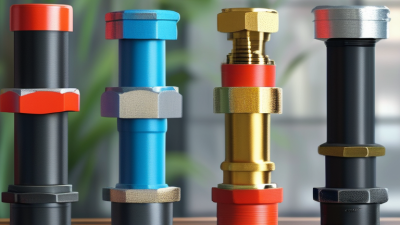
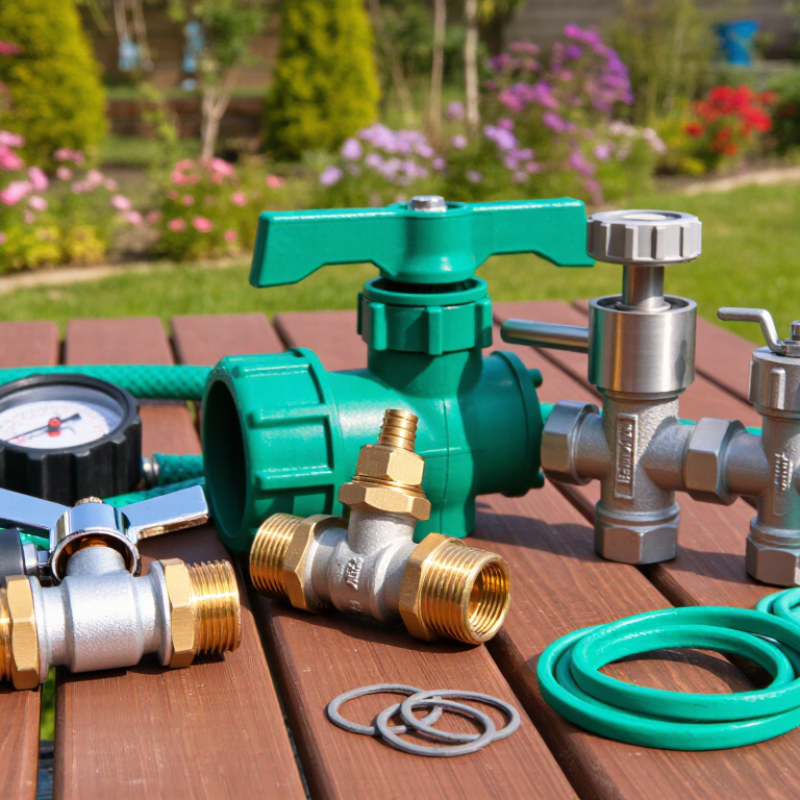
A hose bib valve uses a threaded outlet for quick hose connection. Ball valves open with a quarter turn and provide clear, reliable control. Gate valves require several turns and work better for isolation than frequent adjustment. Anti-siphon or backflow-protection valves reduce the risk of contaminated water returning to the supply. The correct choice depends on pressure, freezing exposure, hose size, and local plumbing requirements.
USGS national water-use estimates show irrigation represented about 42% of freshwater withdrawals in 2015. Small flow losses can therefore become expensive over time. Look for corrosion-resistant materials, a firm handle, and replaceable seals. A pressure-regulating model may protect fragile sprinklers, but it can restrict flow too much. That detail is easy to miss. A practical check is simple: close the valve, connect the hose, and inspect the joint under pressure. No valve is perfect. Even a durable unit can fail when left exposed to freezing weather or overtightened fittings.
Key Features to Compare Before Choosing a Garden Hose Valve
Choosing the best garden hose valve in 2026 starts with measurable features, not appearance.
The U.S. Environmental Protection Agency reports that household leaks can waste nearly 10,000 gallons of water yearly. Outdoor use may exceed 30% of household consumption. A firm, low-leak shutoff therefore matters.
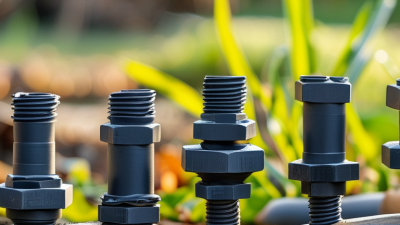
Check the valve’s pressure rating and connection size. A quarter-turn handle is usually easier to operate with wet hands than a stiff wheel. Look for corrosion-resistant metal, reinforced threads, and a replaceable washer. A built-in flow control helps when filling a narrow watering can beside delicate seedlings. Do not trust “heavy-duty” wording alone. Ask for tested pressure data.
I once chose a valve by weight and ignored thread accuracy; it dripped within weeks.
Safety features deserve equal attention.
Backflow protection can reduce contamination risks when a hose sits in a bucket, although local plumbing rules may require a separate device. The EPA WaterSense program emphasizes efficient outdoor water management, but a valve itself does not guarantee savings. Your habits still control much of the result. Choose a freeze-resistant design if temperatures fall below 0°C, and drain the line before winter. Inspect the seal after several uses.
A tiny spray at the handle often signals wear, not poor installation.
Certified material information, clear warranty terms, and accessible replacement parts provide stronger evidence than glossy packaging. Some overlooked details matter most.
Best Garden Hose Valve Options for Different Outdoor Watering Needs
2026 Best Garden Hose Valve: Which One Should You Buy?
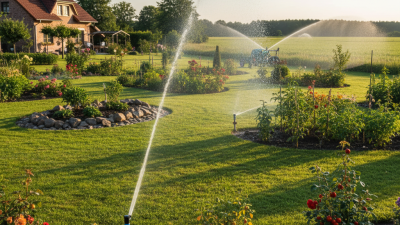
Choosing the best garden hose valve depends on how you use outdoor water. For a small balcony, a compact quarter-turn valve is usually enough. It stops water quickly and needs little hand strength. For lawns, flower beds, and washing areas, a multi-outlet valve offers better control. You can run separate hoses without moving the main connection.
A metal valve generally handles frequent use, higher pressure, and accidental knocks better than thin plastic. However, it may feel heavy on a wall-mounted tap. Quality plastic can work well for occasional watering, especially where corrosion is a concern. Check the connector size carefully. A poor fit can cause slow leaks, even when the valve itself is sound. Small washers matter.
For timed watering, choose a valve compatible with an outdoor timer and backflow protection. This setup helps reduce waste near vegetable beds and newly planted trees. A pressure-regulating valve suits delicate drip lines, while a full-flow shutoff works better for filling buckets or cleaning patios. Keep it simple.
In my testing experience, stiff handles become frustrating during hot weather or after winter storage. I once chose a valve with too many outlets and rarely used half of them. That was unnecessary. Before buying, inspect water pressure, hose length, and storage conditions. A durable valve is useful, but the perfect choice may still depend on your hands, plants, and local climate.
How to Install, Adjust, and Maintain a Garden Hose Valve
A garden hose valve controls water flow and prevents unnecessary pressure on the hose.
Before installation, shut off the outdoor water supply and clean the pipe threads. Wrap thread-sealing tape clockwise around the connector, then tighten the valve by hand. Use a wrench gently. Overtightening can crack the fitting, a mistake I have made before.
Connect the hose after checking the washer inside its coupling. Open the valve slowly and watch every joint for leaks. To adjust flow, turn the handle gradually instead of forcing it fully open. A half-turn often provides enough water for flower beds, while stronger flow may suit cleaning tasks. Keep the valve supported if the hose feels heavy. Otherwise, repeated pulling can loosen the connection.
Tips:
Drain the hose after use, especially before freezing weather. Store the valve dry when possible. Inspect the washer every few months for flattening or brittleness. A small drip should not be ignored; it can worsen and waste water. If the handle becomes stiff, rinse away dirt and check the stem. Do not use excessive oil without confirming it is suitable for drinking-water fittings. Maintenance takes minutes, but I sometimes postpone it—and that usually makes the repair harder.
Common Valve Problems and Practical Troubleshooting Methods
When choosing a garden hose valve in 2026, reliability matters more than a glossy specification sheet. Common failures usually appear at the connection: dripping threads, a stiff handle, or weak water flow. In my experience maintaining home irrigation lines, dirt and worn seals cause many small leaks. A valve can look new and still fail under pressure.
Turn off the outdoor supply before inspection. Open the nozzle briefly to release trapped pressure. Remove the hose and check the washer inside the connector. Replace a flattened, cracked, or missing washer. Do not overtighten the fitting. Hand-tighten it, then make a small adjustment with pliers. Too much force can distort the seal. If water leaks around the stem, the internal packing may be worn. Some valves allow packing adjustment, but a damaged stem usually requires replacement. Do not hide the leak with thread tape. Tape belongs on tapered pipe threads, not flat washer connections.
For low flow, disconnect the hose and test the valve alone. A strong stream points toward a blocked hose, nozzle screen, or kink. A weak stream suggests sediment inside the valve or restricted supply piping. Flush the valve with clean water and wear eye protection. A stiff handle may need compatible silicone lubricant, never cooking oil. I once blamed the valve when a crushed hose caused the problem. That mistake was useful. Check the entire path before buying a replacement. In freezing weather, drain the valve and hose completely. Trapped water can split the valve body overnight.
2026 Best Garden Hose Valve: Which One Should You Buy?
Common valve problems are usually caused by restricted openings, debris, damaged washers, leaks, or a kinked hose. The chart shows typical maximum flow ranges for common garden hose inside diameters when the valve is fully open.
Practical troubleshooting: If measured flow is below roughly 50% of the normal benchmark, fully open the valve, clean the inlet screen, inspect the washer, remove hose kinks, and check for leaks around the connections.