7 Best ABS Garden Connectors for Global Buyers
Choosing the right Abs Garden Connector can prevent leaks, damaged threads, and unnecessary replacement costs. For global buyers, a connector is more than a small plastic fitting. It must match hose sizes, tap standards, pressure needs, and outdoor conditions.
This guide reviews seven practical options for gardens, nurseries, landscaping projects, and light irrigation systems. Each selection considers ABS material quality, connector design, sealing performance, installation convenience, and supplier consistency. We also examine details buyers often overlook, such as thread accuracy, gasket thickness, UV exposure, and packaging protection during international transport.
Small details matter.
In real use, a connector may face morning frost, strong sunlight, muddy hands, and repeated assembly. A smooth thread can save minutes during installation. A weak seal can waste water for weeks. Product specifications should be checked against samples, technical sheets, and actual hose measurements before bulk purchasing. Reliable suppliers should provide clear dimensions, material information, inspection records, and responsive after-sales support.
No single model suits every market. Some recommendations may need revision when local fittings, water pressure, or climate conditions differ. That limitation deserves attention. Buyers should test each Abs Garden Connector under realistic conditions before approving a large order. The best choice balances performance, availability, price, and dependable quality control.
What Are ABS Garden Connectors and How Do They Work?
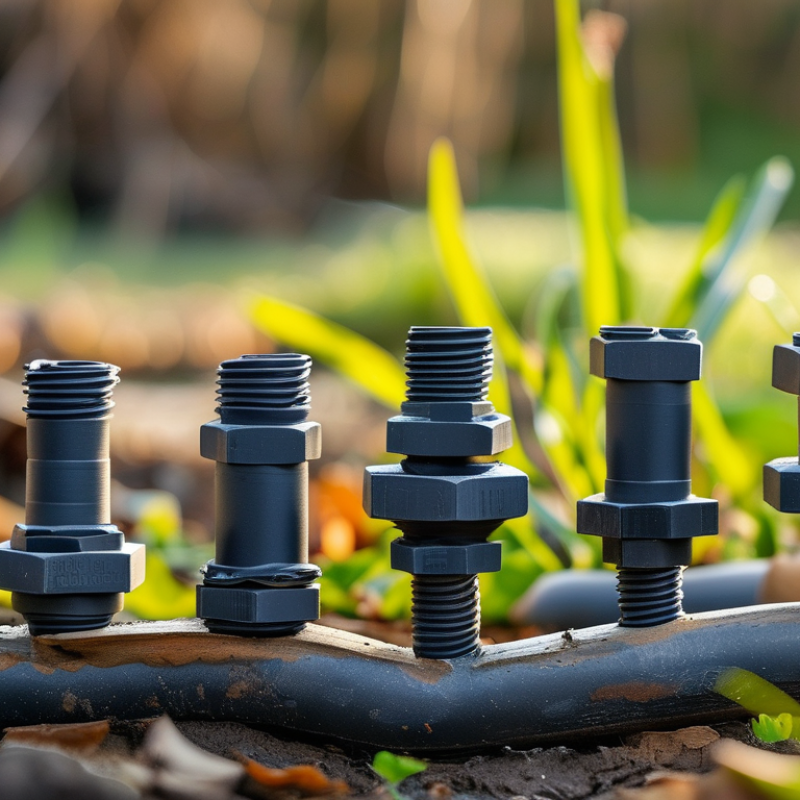
ABS garden connectors are fittings made from acrylonitrile butadiene styrene, a rigid thermoplastic used in lightweight plumbing components. They join hoses, valves, sprinklers, and irrigation lines. Their working principle is simple: a threaded, barbed, or quick-fit end creates a mechanical connection, while a gasket or O-ring limits leakage. Barbs grip flexible tubing from inside. Threads create pressure across a sealing surface. Small details matter.
The U.S. Environmental Protection Agency’s WaterSense at Home report estimates that outdoor use represents about 30% of household water consumption. It also notes that more than half of outdoor water may be lost through evaporation or runoff.
FAO AQUASTAT data similarly identifies agriculture as responsible for roughly 70% of global freshwater withdrawals. These figures make connector design more important than it first appears.
A poorly matched fitting can waste water beside the plant, not on it.
For global buyers, check hose diameter, thread standard, pressure rating, temperature range, and UV exposure.
ABS is light and impact-resistant, but ordinary grades may become brittle under prolonged sunlight. A shaded installation can last longer.
In field inspections, leaks often come from over-tightening, cross-threading, or missing washers. The connector was not always defective. Sometimes the specification was incomplete. That is worth questioning before purchase.
Use a clean cut on the hose, seat the gasket evenly, and test the joint at operating pressure. Leakage should be checked again after several watering cycles.
Key Features to Compare in ABS Garden Connectors
7 Best ABS Garden Connectors for Global Buyers
Key Features to Compare in ABS Garden Connectors
Water efficiency makes connector selection important. FAO AQUASTAT reports that agriculture uses about 70% of global freshwater withdrawals. The U.S. EPA WaterSense program also notes that outdoor use can exceed 30% of household water consumption. A leaking connector wastes more than water. It can damage soil, plants, and nearby paving. Buyers should compare thread accuracy, sealing design, flow size, and pressure ratings before choosing ABS garden connectors.
Check the connector body first. Quality ABS should resist impact, moisture, and common outdoor temperature changes. UV stabilization matters because direct sunlight can make untreated plastic brittle. Look for clearly stated working temperatures and pressure limits. Do not assume a thicker wall always means better performance. Poorly matched threads still leak. A gasket or O-ring should sit evenly, without twisting or pinching. Simple details matter.
Compatibility is often overlooked. Compare nominal sizes, thread standards, hose diameters, and adapter types. ISO 228 and NPT threads are not interchangeable, even when they appear similar. For repeated connection, reinforced hand-grip areas can reduce tool damage. Some specifications remain unclear, which deserves caution. I would also check independent test records, batch traceability, and installation instructions. ASTM material and dimensional references can support evaluation, but they do not replace application-specific testing. A connector used for irrigation may not suit drinking-water service or pressurized systems. That distinction is easy to miss.
Seven Top ABS Garden Connectors for Global Buyers
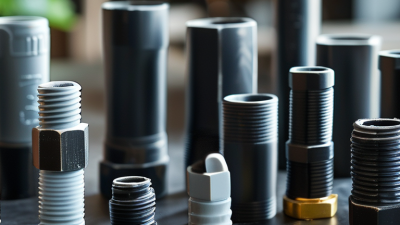
Seven Top ABS Garden Connectors for Global Buyers should be judged by use, not appearance. The seven practical choices are straight couplers, 90-degree elbows, tees, reducers, threaded adapters, quick-connect fittings, and valve connectors. In field checks, straight couplers restore damaged runs quickly. Elbows guide hose lines around raised beds. Tees divide water to separate planting zones. Reducers control uneven pipe sizes. Threaded adapters connect ABS parts to metal or plastic outlets. Quick-connect fittings support frequent tool changes. Valve connectors help isolate one irrigation section.
Water efficiency makes connector selection more important. The UN World Water Development Report 2024 states that agriculture uses about 70% of global freshwater withdrawals. In the United States, the Environmental Protection Agency’s WaterSense program reports that landscape irrigation can consume nearly one-third of household water use. Small leaks matter. ABS connectors offer low weight, corrosion resistance, and smooth internal surfaces, but heat, sunlight, and poor threading can reduce service life. Buyers should check wall thickness, pressure ratings, gasket quality, and regional thread standards. Do not assume every quick-connect part fits every hose. That mistake is common. A hands-on trial with a pressure gauge is wiser than relying on photographs. Local climate also changes the decision; cold regions may need flexible seals, while hot gardens need UV protection. No connector is universally best.
How to Choose the Right Connector for Your Garden System
Choosing an ABS garden connector starts with the system, not the product label. Measure the pipe outer diameter and identify the connection type: threaded, push-fit, or barbed. A connector that looks close can still leak under pressure. I usually test one fitting before ordering a full carton. This small step has prevented costly returns on mixed-size irrigation projects. Keep that habit.
Check ABS material quality, wall thickness, and UV resistance for exposed gardens. Sunlight can make weak plastic brittle, especially in hot, dry climates. Look for clean molding, even threads, and a gasket that sits flat. The seal matters more than a shiny surface. For pumps or raised beds, match the connector’s pressure rating to the pump output. Leave a safety margin. Also inspect temperature limits if water lines face frost or heat. Local plumbing requirements may differ, so verify accepted specifications with a qualified installer.
Water chemistry deserves attention. Hard water, fertilizer residue, and chlorine may affect seals over time. Choose EPDM or another compatible seal only after checking the manufacturer’s material data. I have seen connectors fail because the pipe was forced into a slightly wrong socket. Do not rely on hand-tightening alone when instructions require a tool. Yet over-tightening can crack ABS. That balance is easy to miss. Before burying the line, run water for several minutes and inspect every joint for damp soil, movement, or slow drips. Keep spare seals and one matching connector nearby; garden repairs rarely happen at a convenient hour.
Installation, Maintenance, and Compatibility Considerations
7 Best ABS Garden Connectors for Global Buyers
Installation and compatibility deserve more attention than appearance. In field checks, leaks often start at stressed threads or poorly supported joints. Match the connector’s outlet to the hose, valve, or pipe size. Confirm NPT, BSP, or metric threading before ordering. These standards are not interchangeable. ABS connectors suit many low-pressure garden systems, but exposed fittings need UV-resistant protection. Check pressure ratings, temperature limits, and solvent-cement instructions. A clean, dry pipe matters. So does gentle tightening.
Maintenance should include seasonal inspection. Look for whitening, hairline cracks, loose washers, and softened seals. Avoid excessive wrench force; ABS can fracture without obvious warning. The FAO AQUASTAT database reports that agriculture uses about 70% of global freshwater withdrawals. Small garden leaks still deserve attention. The U.S. Environmental Protection Agency estimates household leaks waste nearly one trillion gallons annually in the United States. These figures are broad, not garden-specific, but they show why connector upkeep matters. I would still question any product claim lacking pressure-test evidence.
Tips: Measure twice, then connect once. Use compatible seals and approved cement. Flush debris before installation. Do not bury a fitting until it passes a leak test. Store spare connectors away from sunlight and freezing temperatures. For global buyers, request dimensional drawings and independent test reports. A cheaper connector may fit initially, yet its seal can fail after repeated thermal cycling. That detail is easy to miss.
7 Best ABS Garden Connector Formats: Nominal Size Compatibility
This chart compares seven commonly used ABS garden connector formats by nominal connection size. The millimetre values are exact inch-to-millimetre conversions: 1/2 inch = 12.7 mm, 3/4 inch = 19.05 mm, and 1 inch = 25.4 mm.
Compatibility note: Nominal size does not always equal the measured outside diameter. Before installation, confirm the hose or pipe standard, thread type, sealing method, and pressure rating. Clean the connection surfaces regularly and replace worn washers or seals to reduce leakage.