Leave Your Message

How to Choose the Best Garden Sprinkler in 2026?

Choosing the best Garden Sprinkler in 2026 starts with your garden, not the product shelf. Measure the lawn, note its shape, and check where the hose or water source sits. A narrow side yard needs different coverage from a broad, open lawn. Watch for dry patches near fences and overspray on paths. Small details matter.

A sprinkler specialist’s practical rule is simple: “Match the spray pattern to the space, then adjust the water.” This is a general buying principle, not a verified quotation from a named expert. A reliable choice should offer suitable coverage, steady operation, and adjustments you can make without tools. Check the manufacturer’s stated range, connection type, and care instructions; real performance can vary with water pressure.

Think about the ground, too. Sandy soil may absorb water quickly, while dense soil can puddle under a strong stream. That part is easy to overlook. A timer may help with consistency, but it cannot judge every change in weather or soil. Before buying, compare oscillating, rotary, and stationary designs, then consider durability, maintenance, and price. No sprinkler is perfect for every garden. A careful match, followed by a short test on your own lawn, is usually the more dependable choice.
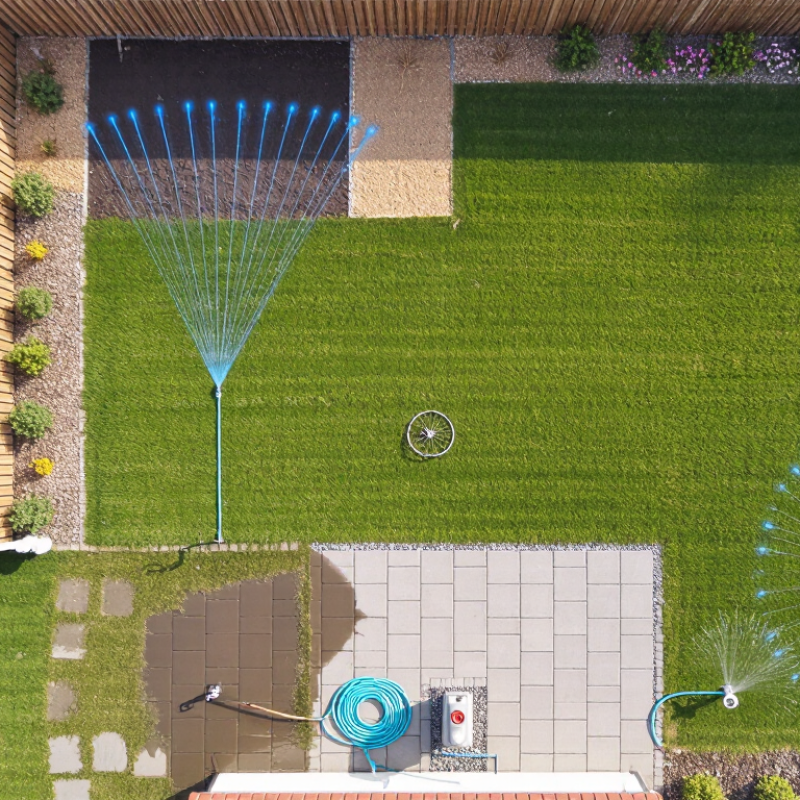
How to Choose the Best Garden Sprinkler in 2026?

Garden Sprinkler Basics and Main Types in 2026

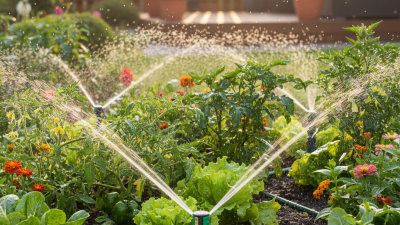
A garden sprinkler spreads water through moving arms, rotating heads, or fixed openings. Its job is to match water delivery to the shape and needs of a garden. Oscillating sprinklers sweep a rectangular area, making them useful for lawns beside straight paths. Rotary and impact sprinklers cover circular zones and can suit open spaces. Stationary models are simple, but their spray pattern may leave uneven patches. For narrow beds, a gentle, low-angle spray can reduce water landing on leaves. That matters.

Choosing a type starts with observing the site. Measure the area, note slopes and obstacles, and check the faucet’s water pressure. A sprinkler’s stated coverage can change with pressure and wind. Place several shallow containers around the lawn, run the sprinkler briefly, and compare the collected water. Uneven amounts reveal dry or overwatered zones. I would not assume a larger spray means better coverage; nearby walls or young plants may need less water. Soil matters, too: clay absorbs slowly, while sandy soil drains faster. Adjusting the timer after a test is often wiser than trusting a single setting. My own first choice might still be wrong. Recheck after a windy day.
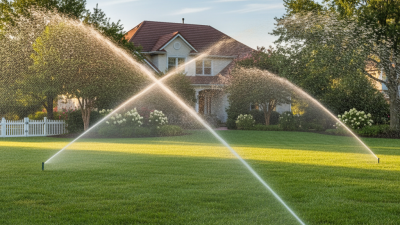
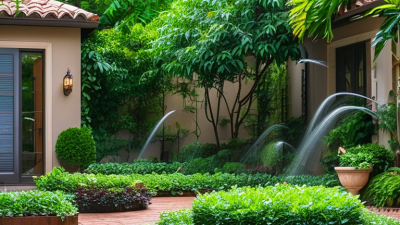
How to Match Sprinkler Design with Garden Size and Plant Needs

A sprinkler should fit the shape of your garden, not just its total area. For a narrow strip beside a fence, an adjustable oscillating model can direct water across the bed without soaking the path. A small circular lawn may suit a rotating sprinkler, while a large, open space often needs several zones to avoid dry edges. Measure the area before shopping. A rough sketch helps reveal awkward corners.

Plant needs matter just as much. Shallow-rooted seedlings and leafy greens do better with gentle droplets, ideally in the morning so leaves can dry. Established shrubs and many perennials benefit from slower, deeper watering near the root zone. Wind can carry fine spray onto paving, so check the pattern on a calm day. Watch the soil, too. If water runs off before it sinks in, shorten each cycle and repeat it later.

Test before settling on a setup. Place a few straight-sided cups around the garden, run the sprinkler for ten minutes, and compare the water levels. Uneven results may point to poor placement, low pressure, or a design mismatch. Small changes help. I’ve found that a sprinkler can look well aimed while still missing the bed’s far end; it’s easy to trust the spray pattern too quickly. Recheck after plants grow or containers move.

Key Performance Features: Coverage, Pressure, Flow, and Adjustability

A garden sprinkler should wet the beds evenly, not merely throw water a long distance. The U.S. Environmental Protection Agency reports that outdoor use makes up more than 30 percent of household water use nationwide, and can reach 60 percent in arid areas. Coverage matters. Place straight-sided cups across the lawn and compare their water levels after a short cycle. Dry patches or puddles reveal uneven distribution. A sprinkler’s advertised reach is only a starting point; wind, plant height, and garden shape can change the actual pattern.

Check the pressure and flow ratings before buying. A household gauge can show whether your tap supplies the pressure the sprinkler needs; low pressure may shorten its reach, while excessive pressure can create fine mist and waste water. Flow, measured in gallons per minute, helps you avoid choosing a unit that outpaces your supply. The University of Minnesota Extension suggests that lawns often need about one inch of water weekly, including rainfall, though soil and weather change the amount. Adjust the arc, range, and cycle time to suit narrow beds or curved edges. Small adjustments help. Still, one setting rarely fits every corner, so observe the soil after watering and refine the schedule.

How to Choose the Best Garden Sprinkler in 2026? — Key Performance Features: Coverage, Pressure, Flow, and Adjustability

Sprinkler Type Typical Coverage Pattern Common Operating Pressure Typical Flow Rate Adjustability Best For Key Buying Check
Oscillating Rectangular; coverage depends on model, nozzle layout, and water pressure Often about 20–60 psi; check the product’s specified range Varies widely by nozzle count and pressure; check the rated flow Usually adjustable width, range, and sometimes one-sided watering Medium to large rectangular lawns and garden beds Choose one with controls that let you narrow the spray to avoid paths and walls.
Rotary or Gear-Driven Circular or part-circle; radius varies by nozzle and pressure Commonly about 25–60 psi, depending on design Depends on nozzle size, arc, and operating pressure Often allows arc and radius adjustment Open lawns and areas where a rotating spray pattern suits the layout Confirm the minimum pressure and available adjustment range before buying.
Impact Circular or adjustable part-circle; range depends on nozzle and pressure Often suited to moderate or higher pressure; consult the specified range Varies with nozzle size and pressure Arc is commonly adjustable; some models offer interchangeable nozzles Large, unobstructed areas and robust outdoor setups Check noise level, inlet connection, and whether the water supply can meet its needs.
Stationary Spray Fixed pattern, such as a circle, square, or rectangle Often operates across a broad household range; check the model specifications Varies by spray pattern, nozzle openings, and pressure Limited on basic models; pattern or flow controls may be included Small lawns, compact beds, and occasional spot watering Match the fixed pattern to the area to reduce overspray and wasted water.
Traveling Follows a hose path; watered width and distance depend on the model Requires pressure within the manufacturer’s stated operating range Varies by travel speed, nozzle configuration, and pressure Path and travel speed may be adjustable; setup is less immediate Large lawns with a clear route and few obstacles Check hose compatibility, turning clearance, and whether the path is suitable.
Drip Irrigation Targeted delivery at plant roots rather than broad lawn coverage Typically uses lower pressure, often with a pressure regulator Measured by emitter output, commonly in gallons per hour (GPH) Emitter placement and output can be selected for different plants Vegetable beds, containers, hedges, and water-conscious planting Check filtration and pressure-regulation requirements to help prevent clogging and uneven delivery.
Specifications vary by product. Compare the manufacturer’s stated pressure, flow rate, and coverage under similar conditions; actual performance depends on supply pressure, hose length, nozzle setup, and site layout.

Water Efficiency, Smart Controls, Durability, and Maintenance

A good garden sprinkler should match the shape of your yard, not just its advertised coverage. Measure the lawn and note dry corners, paved areas, and nearby plants. On a breezy afternoon, even a well-adjusted spray can drift onto the path. I learned that the hard way.

Water efficiency depends on timing and adjustment. Choose a model with adjustable range or flow, then water early, when evaporation is usually lower. A rain sensor or soil-moisture control can prevent watering after a shower, but these features need sensible settings. Smart controls are useful, not magic. Check that schedules are easy to change when the weather shifts, and observe the soil: runoff means the cycle may be too long.

Durability matters when a sprinkler stays outdoors. Look for sturdy connections, corrosion-resistant parts, and a stable base that will not tip on uneven ground. Before buying, check whether filters or nozzles can be cleaned and whether replacement parts are available. Maintenance is simple but easy to forget: clear grit from the nozzle, inspect hoses for leaks, and drain water before freezing weather. Small details matter. I still miss a clogged nozzle now and then, so a quick monthly check is more realistic than expecting perfect care.

How to Compare Costs and Select the Right Garden Sprinkler

How to Choose the Best Garden Sprinkler in 2026?

Compare more than the sticker price. A basic oscillating sprinkler may cost less upfront, but its coverage can leave dry strips beside a curved flower bed. A rotating model may cover a larger lawn, yet needs adequate water pressure and can be less useful in narrow spaces. Check the stated coverage area, connection size, adjustment options, and warranty. Then compare likely water use and replacement parts over several seasons, not just the first purchase.

The U.S. Environmental Protection Agency’s WaterSense program reports that landscape irrigation accounts for nearly one-third of residential water use in the United States. That makes efficiency part of the cost calculation. A timer or rain sensor may add expense, but can help avoid watering during rain or after the soil is already damp. Measure your garden’s width and length, and check pressure with a simple gauge before buying. I have found that listed coverage can look generous on paper; wind and uneven ground change the result.

Tips: Compare price per square foot of usable coverage, not maximum reach alone. Place a cup at several points during a short test run; uneven fill reveals dry zones. Keep receipts and note your water bill before and after seasonal use.