Leave Your Message

7 Garden Spray Nozzle Tips for Choosing the Best One

A garden hose can deliver plenty of water, yet the wrong spray pattern may leave seedlings flattened or dry soil untouched. Choosing a Garden Spray Nozzle is not just about finding the most settings. Hose compatibility, water pressure, grip, and build quality all affect how it works in daily use. Small details matter.

A gentle shower can suit newly planted greens, while a stronger jet may help rinse mud from paving. But no single nozzle is ideal for every task. A model with many patterns can still feel awkward if its trigger is stiff or its handle slips when wet. That is not enough. Look for clear controls, a comfortable grip, and materials suited to regular outdoor use. Check the maker’s guidance for pressure and connection requirements, since fittings and performance can vary. A leaky joint may waste water and make a useful tool frustrating.

This guide compares seven practical tips for choosing a nozzle, from spray patterns and adjustment controls to durability and maintenance. It also considers how your garden is laid out: a few pots on a balcony call for different reach than long beds or hanging baskets. Think about your actual routine, not the features listed on a package. I may be tempted by extra settings, too, but more choices do not always make watering easier. A careful match is usually the better starting point.
7 Garden Spray Nozzle Tips for Choosing the Best One

Identify the Seven Common Types of Garden Spray Nozzles

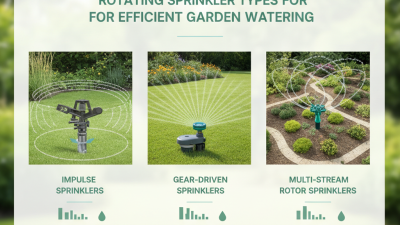
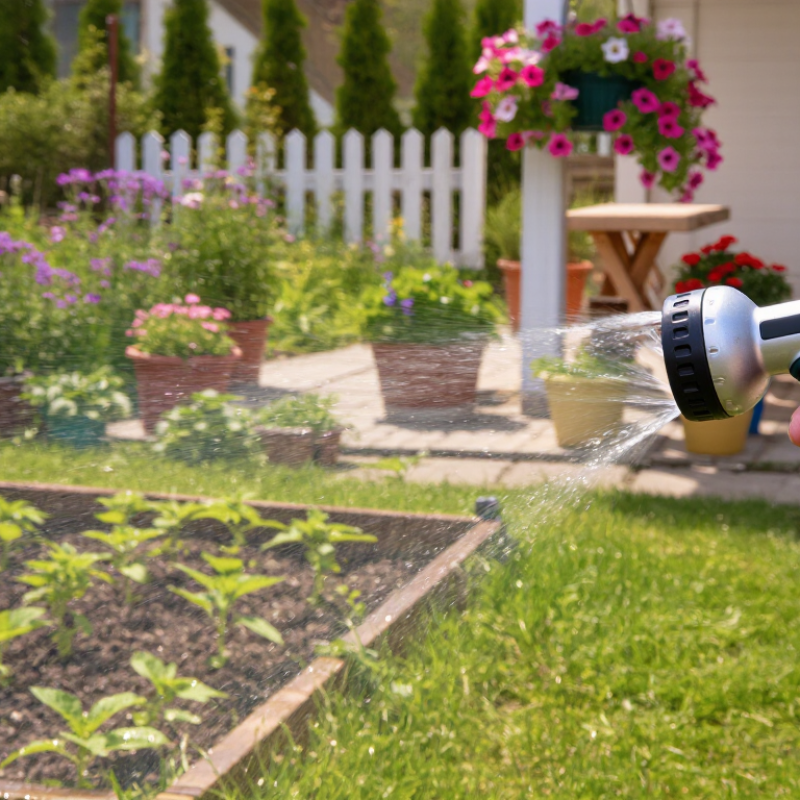
Garden spray nozzles differ in how they shape water, so the right choice depends on the plant and task. A mist nozzle creates a fine spray for humidifying foliage or watering delicate seedlings. Use it gently; fine droplets can drift in a breeze. A shower nozzle delivers a soft, wider flow for pots and established plants. A cone nozzle spreads water in a ring, which can help cover a small bed without aiming at one spot.

A flat or fan nozzle sends water in a broad, thin sheet, useful for rinsing leaves or watering a narrow row. A jet nozzle produces a concentrated stream for cleaning paths, but it can disturb soil and damage tender growth. A soaker nozzle gives a slower, gentler flow near the ground, reducing splash around roots. An adjustable-pattern nozzle switches among spray shapes, making it handy when one hose serves several jobs.

Convenient, but not perfect. Check its settings before watering; a strong pattern may surprise you. I sometimes choose by habit, then notice the seedlings bending. Match the flow to the plant, and watch how quickly the soil absorbs it.
Compare Spray Patterns, Flow Rates, and Water Pressure

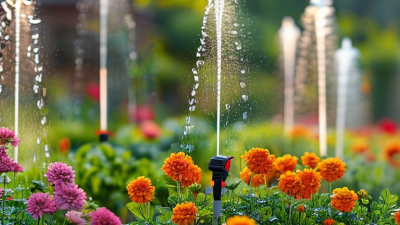
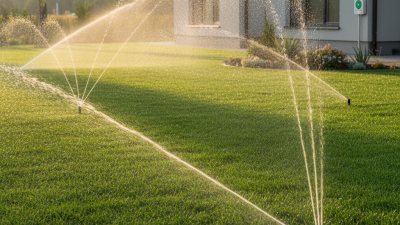
Choosing among seven garden spray nozzle tips starts with the water pattern, not the number of settings. A jet stream reaches containers or rinses tools, but can disturb bare soil. A shower pattern spreads water gently over seedlings. Fan and cone patterns cover wider beds, while mist suits brief, delicate watering; it evaporates quickly on hot, windy days. Soaker and adjustable patterns offer different compromises between steady delivery and flexibility. Nozzle labels can be vague. Test the spray on your actual plants.

Flow rate and pressure matter just as much. EPA WaterSense guidance estimates that outdoor use accounts for nearly 30% of household water use in the United States. That makes wasted spray worth checking. Fill a marked bucket for 30 seconds, then double the collected gallons to estimate gallons per minute. Repeat with the nozzle fully open and partly closed. A low-flow source may weaken a wide fan, while high pressure can turn a gentle shower into a soil-scattering spray. Small differences show up fast.

Match the pattern to the task: use a shower for new transplants, a fan for shallow beds, and a focused stream for distant pots. Check the nozzle’s pressure range against your supply, and watch for leaks at the hose connection. I still find adjustable heads easy to over-trust; “more settings” does not guarantee better control. EPA’s outdoor water-use guidance supports checking watering habits, but your soil, wind, and plant spacing still decide what works.

7 Garden Spray Nozzle Tips: Typical Flow Rate Comparison

Approximate flow rates at 40 psi, shown in gallons per minute (GPM).

These values are representative estimates, not standardized ratings. Actual flow depends on nozzle design, hose diameter, and available pressure. Mist and fan settings generally use less water, while jet and soaker settings can deliver more.

Match Nozzle Settings to Plants and Garden Tasks

A nozzle works best when its spray matches the plant, not just the hose. Use a gentle shower for seedlings and leafy greens; a hard jet can flatten soil and expose roots. For established shrubs, choose a slower, heavier stream aimed at the soil line. A narrow jet is useful for rinsing tools, but it can waste water when waved across a bed.

Small adjustments matter. The U.S. Environmental Protection Agency estimates outdoor use makes up about 30% of household water use nationwide, and more in dry regions (Outdoor Water Use in the United States). That makes a shutoff trigger and adjustable flow practical choices. WaterSense guidance also recommends watering plants according to their needs and checking soil moisture. Try the nozzle on bare soil first: if water runs off before soaking in, reduce the flow or move closer.

For hanging baskets, a soft shower reaches the potting mix without blasting flowers. For new transplants, use a low-flow setting and pause between passes. For paths, a brief jet can lift dirt, though sweeping debris may use less water. I still find “mist” settings easy to overuse; they look gentle, yet wind can carry droplets away. Check the soil with a finger, not just the surface color.

Check Hose Compatibility, Durability, and Ease of Use

A garden spray nozzle is only useful when it fits the hose, lasts through regular handling, and feels comfortable during longer watering sessions. The U.S. EPA reports that outdoor use accounts for more than 30% of household water use nationwide, and can reach 60% in dry regions. That makes control more than a convenience. A nozzle with a steady, adjustable spray can help direct water toward roots instead of paving stones, though technique still matters.

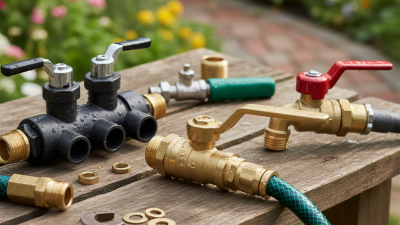
Check the hose-end thread and any quick-connect fitting before buying; similar-looking parts do not always seat securely. Look for a washer that sits flat, then test the connection at low pressure for drips. Metal bodies may tolerate knocks better, while lighter plastic models can be easier to hold. Neither material guarantees a long life. Try the grip with wet hands, and check whether the trigger needs constant pressure. Small details count. I’d be wary of choosing by spray pattern alone; a useful setting is no help if the handle tires your hand.

Tips: Match the connection first. Check for a replaceable washer, a comfortable grip, and a trigger lock if you water for several minutes. Test every setting on a small area; a forceful stream can disturb loose soil.

Choose a Nozzle Based on Your Garden’s Needs and Budget

A garden nozzle should match the work, not just the price tag. For seedlings and hanging baskets, choose a gentle shower pattern that spreads water without flattening leaves or washing soil from pots. A soaker setting can help around established beds, while a focused stream is useful for rinsing tools or filling a bucket. Use that narrow spray carefully; it can damage tender plants and compact bare soil.

Think about your water pressure, too. A nozzle with several patterns is convenient, but only if its controls are easy to turn with wet hands. A simple twist collar may suit occasional watering, while a trigger handle can feel better during longer sessions. Check that the connection fits your hose and that the grip feels secure. Small details matter.

Set a budget before comparing features. A basic metal nozzle may be a sensible choice for regular use, while a lower-cost plastic model can work for light, occasional watering. Neither material guarantees a long service life; drainage, storage, and rough handling matter. I sometimes overvalue extra spray settings. In practice, two useful patterns may be enough. If possible, hold the nozzle before buying, and consider whether replacement washers are easy to find.